UNICEF Issues Urgent Warning as Climate Shocks and Drought Threaten Over 25 Million Children Across Latin America

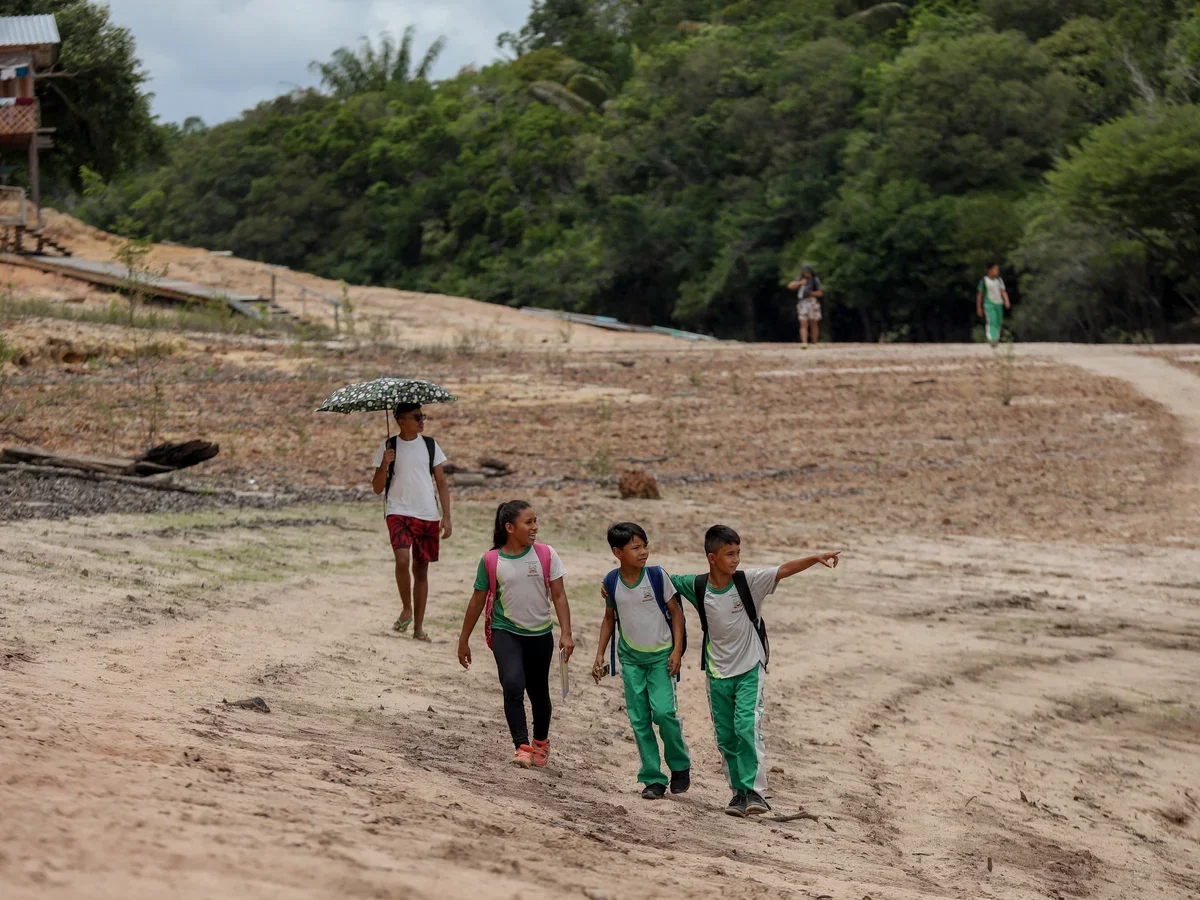
PANAMA CITY: More than 25.8 million children across Latin America and the Caribbean are confronting severe, compound humanitarian risks driven by unprecedented climate extremes, prolonged droughts, and erratic weather shocks, the United Nations Children's Fund (UNICEF) warned in a comprehensive regional report released today.
The landmark assessment, titled *Climate Shocks and the Fragility of Childhood in the Americas*, details how consecutive seasons of record-breaking heat, historic river basin depletion in the Amazon and Pantanal, and devastating crop failures in the Central American Dry Corridor are destroying community livelihoods and disrupting basic public services.
The agency highlighted that water scarcity is already forcing hundreds of rural schools to suspend classes, while water-borne illnesses and acute childhood malnutrition rates have climbed significantly across indigenous and rural settlements.
Compounding Crises Across Vulnerable Ecological Basins
The report highlights three primary geographic hotspots experiencing acute environmental and humanitarian distress:
- The Central American Dry Corridor: Severe rain deficits have slashed staple grain harvests across Honduras, Guatemala, and El Salvador, leaving over 1.8 million children facing food insecurity.
- The Greater Amazon Basin: Historic low river levels in Brazil, Peru, and Colombia have isolated riverine communities, cutting off access to mobile medical boats, drinking water barges, and school transport.
- The High Andean Plateaus: Accelerated glacial melt and prolonged dry seasons have strained traditional irrigation networks and municipal water supplies in Bolivia and southern Peru.
Urgent Call for Climate Financing and Child-Centered Adaptation
"Children are the least responsible for the global climate crisis, yet they are bearing the heaviest physical, educational, and psychological burden across Latin America," emphasized Garry Conille, UNICEF Regional Director for Latin America and the Caribbean.
UNICEF called upon international climate funds and multilateral development banks to direct at least $1.2 billion in dedicated grant funding toward climate-resilient school infrastructure, decentralized solar water filtration systems, and child-sensitive social protection transfers.
Mobilizing Regional Action Ahead of COP30
The agency is coordinating with regional education and environment ministries to establish national disaster-resilience standards for schools, ensuring learning continuity during extreme climate disruptions.
Reader Conversation
You must be logged in to post a comment.