Politics
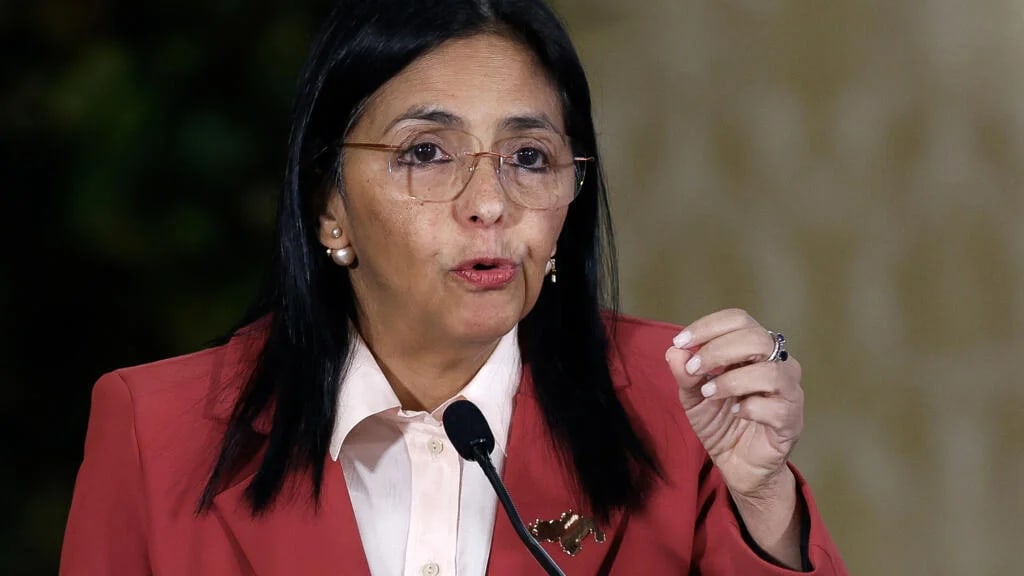
Rodriguez Consolidates Role as Venezuela Interim President
Delcy Rodríguez consolidates her leadership as Venezuela's interim president in April 2026, backed by the IMF, World Bank, and the lifting of US sanctions.
El Salvador Approves Life Sentences for Minors from Age 12
El Salvador published on April 15, 2026, a law allowing life sentences for minors as young as 12 in serious crimes, generating criticism from the IACHR and human rights organizations.
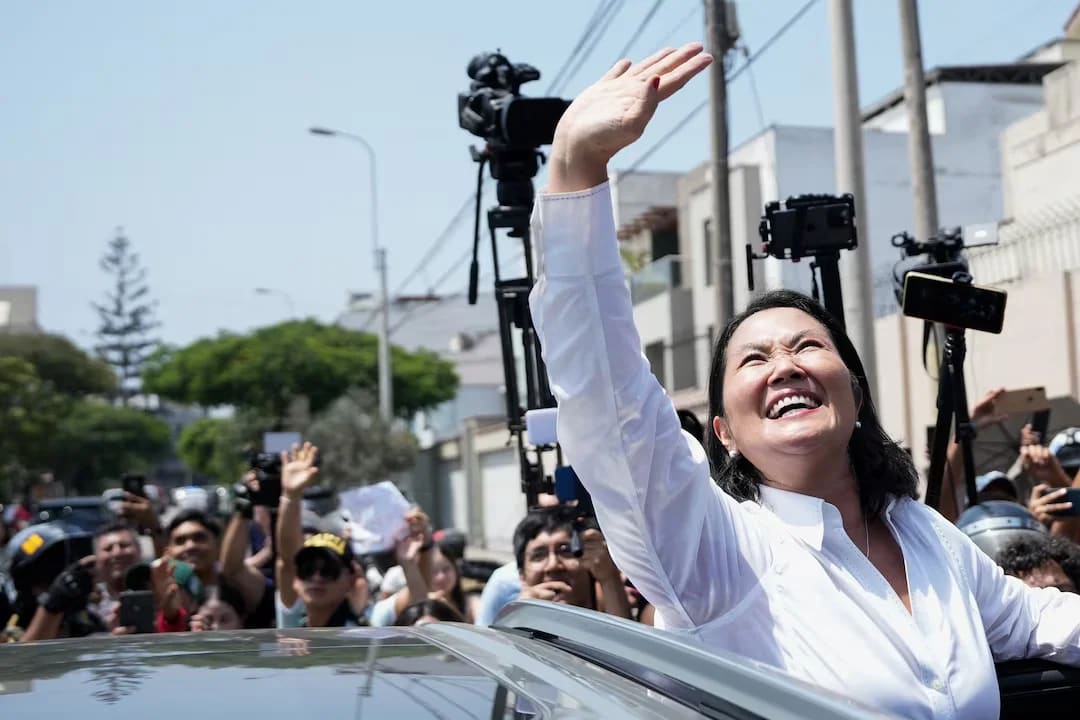
Peru Holds Elections with Fujimori Leading, Runoff Expected
Peru held presidential elections on April 12-13, 2026, with 34 candidates and Keiko Fujimori leading the first round, amid logistical irregularities and a second round scheduled for June 7.
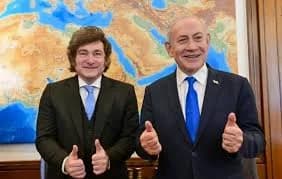
Milei Reaffirms Alliance with US and Israel in Jerusalem
Argentine president Milei reaffirmed in Jerusalem the alliance with the US and Israel and signed technology and defense agreements, generating mixed reactions in the region.
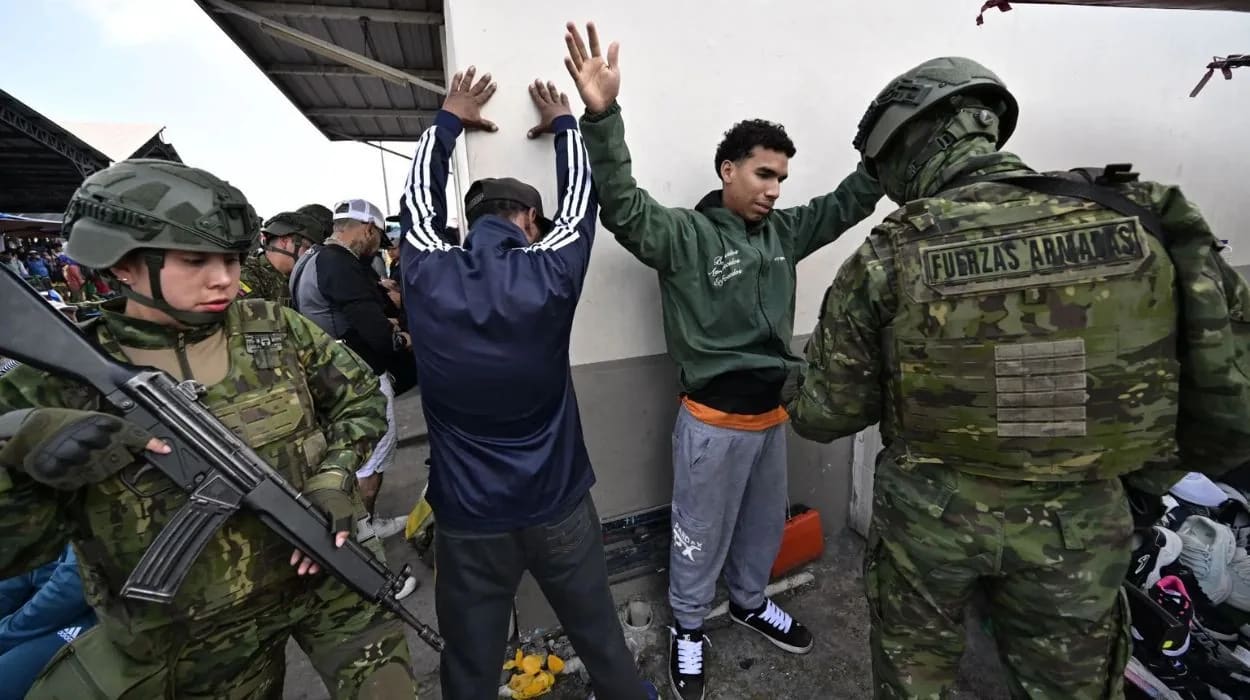
Ecuador Intensifies Anti-Drug Fight with US and Colombia
Ecuador intensifies its fight against drug trafficking with US and Colombia support, reporting a 15% reduction in homicides but persistent violence in trafficking ports.
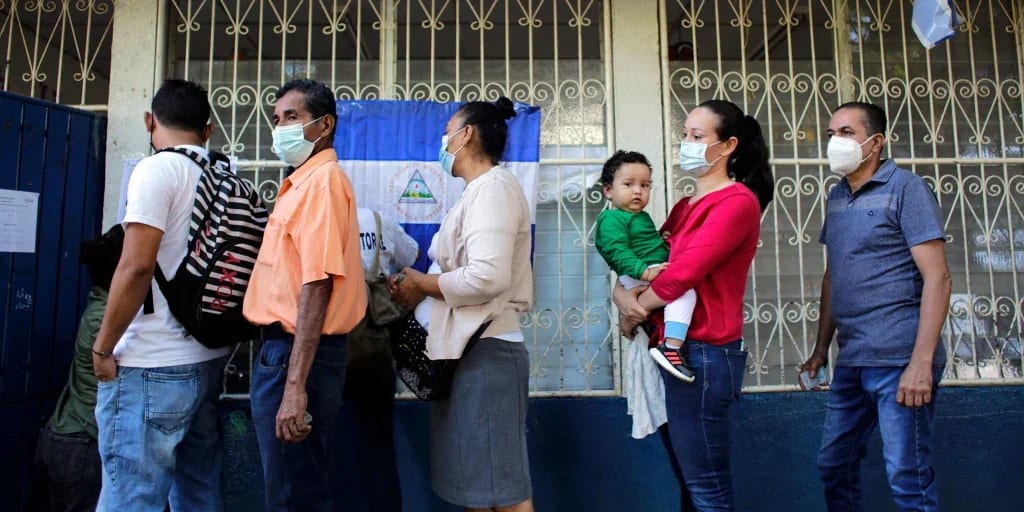
Nicaragua Holds Contested Elections Under Observer Watch
Nicaragua held municipal elections without EU or OAS observers, with opposition decimated by imprisonment and exile in a system the international community questions.
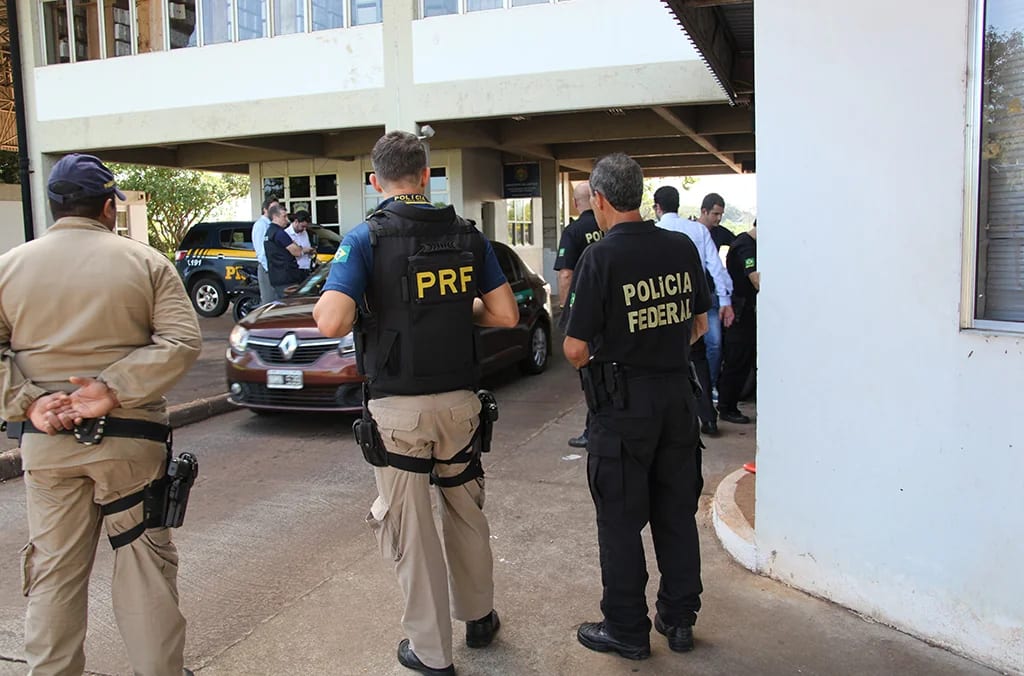
Paraguay Fights Organized Crime at the Triple Border
Paraguay reinforced its security strategy in the Triple Frontier with an elite unit of 500 officers and cooperation with the US, Brazil, and Argentina to combat money laundering and drug trafficking.
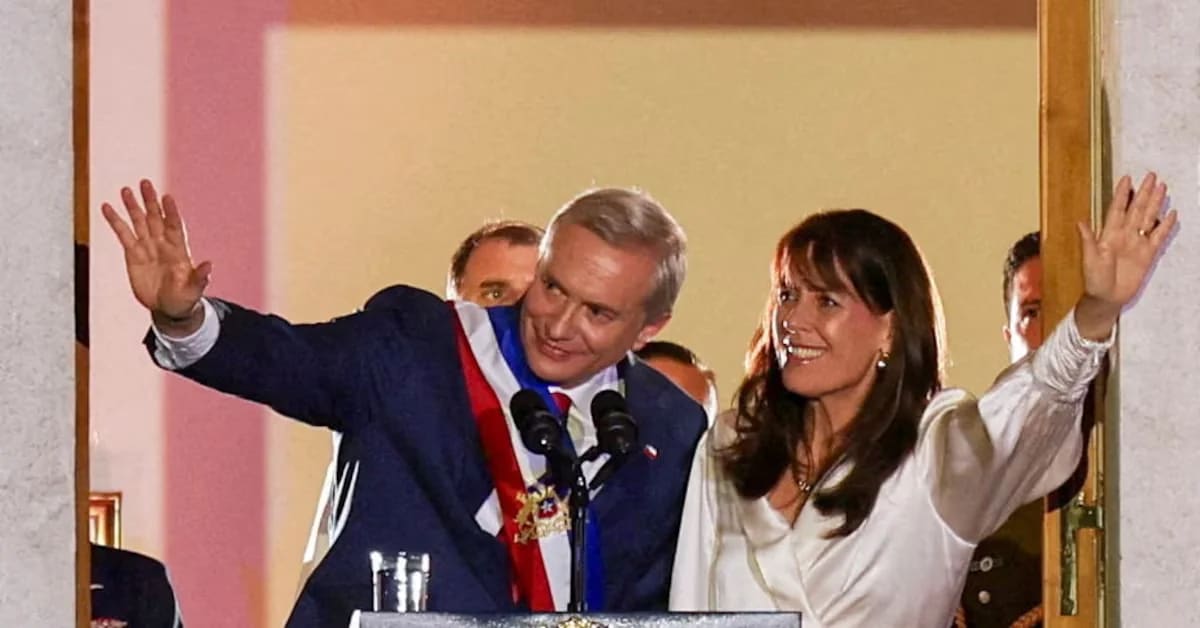
Chile Inaugurates Kast Government with Conservative Agenda
José Antonio Kast assumes the presidency of Chile with promises of deep changes in economy, security, and migration, backed by a legislative majority.